

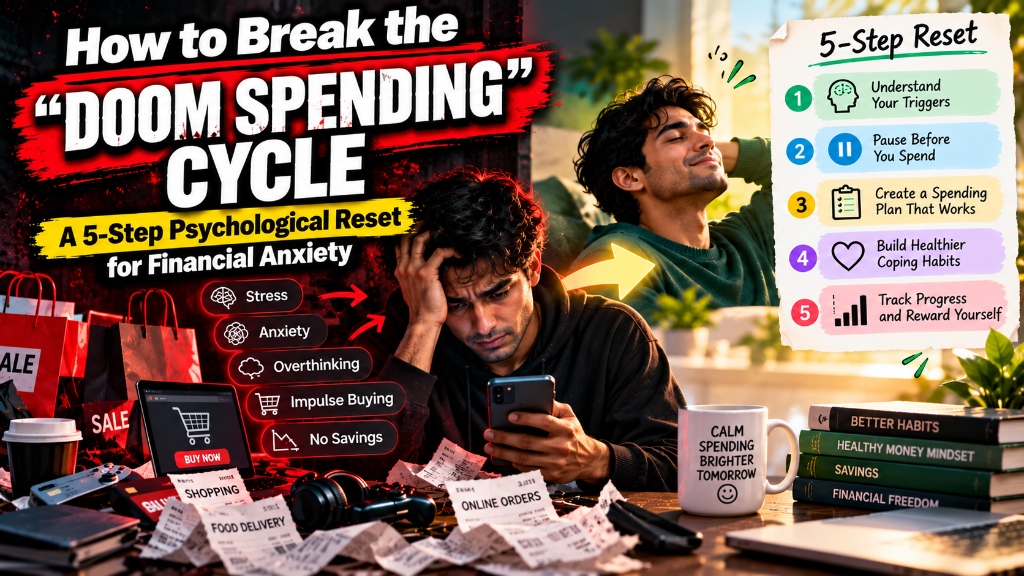
How to Stop Doom Spending: A 5-Step Reset for Financial Anxiety
Learn how to stop doom spending when economic anxiety hits. Master the 72-hour friction rule, emotional trigger resets, and loud budgeting habits.
Educational Resource: This guide does not constitute financial or legal counsel.
To stop doom spending, you must interrupt the brain’s acute stress-relief loop by reintroducing purchasing friction and replacing compulsive dopamine spikes with low-cost regulation habits. By establishing a mandatory 72-hour delay protocol, removing stored digital wallet credentials, and practicing loud budgeting with peers, you regain control over emotional retail therapy caused by economic burnout.
Doom spending is the compulsive habit of purchasing non-essential consumer goods to soothe feelings of economic dread, climate anxiety, or personal career burnout.
When news feeds flood your screen with reports of persistent inflation, skyrocketing home prices, and global instability, a subconscious defense mechanism activates: “If I will never afford a $700,000 home anyway, why shouldn’t I buy this $180 jacket or order $45 worth of sushi tonight?” This fatalistic resignation feels soothing in the moment, but it steadily erodes your financial resilience, trapping you in the exact instability you fear.
Traditional budgeting lectures that shame your morning coffee or scold your spending fail because doom spending is not a math deficit; it is an emotional regulation coping mechanism.
Understanding how to stop doom spending requires rewiring the psychological loop between acute nervous system stress and immediate digital checkout buttons. Here is the neuroscience behind why your brain seeks retail escape, accompanied by a five-step psychological reset you can implement today.
The Neuroscience of Doom Spending: Why Stress Triggers Shopping
The biological driver of doom spending is the brain’s search for rapid dopamine elevation during states of chronic cortisol overload.
When you experience prolonged workplace exhaustion or macro-economic pessimism, your sympathetic nervous system remains in a low-grade state of fight-or-flight. In this condition, the prefrontal cortex (responsible for long-range planning, capital preservation, and abstract consequence evaluation) downregulates activity. Simultaneously, the brain’s limbic system demands instant reassurance and sensory stimulation.
Online shopping offers an effortless, high-reward sensory loop:
- Anticipation Spike: Browsing products releases dopamine before you even make a purchase. The anticipation of the package arriving delivers the primary chemical reward.
- Illusion of Control: In an unpredictable macroeconomic climate where you cannot control housing market interest rates or corporate layoffs, deciding to buy a pair of shoes gives you an immediate feeling of personal agency.
- The Post-Purchase Crash: Within 30 to 90 minutes after clicking “Place Order,” dopamine plummets below baseline levels. It is replaced by buyer’s remorse and renewed financial anxiety, which drives the impulse to seek another micro-purchase to numb the shame.
| Cycle Phase | Psychological Trigger | Behavioral Manifestation |
|---|---|---|
| 1. Trigger | Chronic economic dread & career fatigue | Elevated cortisol and loss of personal agency |
| 2. Craving | Nervous system seeks rapid relief | Mind searches for quick mood elevation |
| 3. Anticipation | E-commerce digital browsing | Anticipatory dopamine release during search |
| 4. Transaction | Frictionless 1-click checkout | Brief artificial sense of control and progress |
| 5. Hangover | Dopamine crash | Compounded financial guilt and cycle recurrence |
Breaking this cycle does not require monastic deprivation. It requires breaking the automated connection between emotional overwhelm and financial outflow.
Identifying Your Micro-Triggers: Boredom, Macro News, Workplace Exhaustion
Doom spending rarely happens in a vacuum; it is provoked by predictable environmental and psychological micro-triggers.
Before you can curb compulsive purchases, you must observe the emotional state preceding your shopping apps opening. Most stress spending falls into three distinct categories:
1. Macro-Doom Scrolling
Late-night scrolling through geopolitical crises, algorithmic panic videos, and housing crisis statistics creates existential helplessness. Purchasing luxury skincare, tech accessories, or vintage collectibles serves as a physical pacifier against abstract global dread.
2. Workplace Exploitation Fatigue
After an exhausting 10-hour day dealing with demanding clients or toxic corporate management, your brain rationalizes luxury expenses as fair compensation: “I work too hard to live like this; I deserve this treat.” Marketers exploit this sentiment through the “treat yourself” industrial complex.
3. Idle Procrastination and Digital Boredom
During mid-afternoon energy slumps (typically 2:30 PM to 4:00 PM), when cognitive stamina wanes, opening shopping apps like Amazon, ASOS, or eBay provides effortless visual stimulation that masquerades as harmless browsing.
| Trigger Category | Underlying Emotional Need | Unconscious Rationalization | Constructive Behavioral Alternative |
|---|---|---|---|
| Late-Night News Dread | Safety, security, predictability | “The world is chaotic anyway, money has no future value.” | Turn off screens at 10 PM; read physical fiction or listen to ambient music. |
| Workplace Resentment | Autonomy, validation, respect | “I earned this treat after surviving this brutal week.” | Non-monetary boundary setting; full digital shutdown at 5:30 PM; hot bath. |
| Social Media Comparison | Believed social standing, belonging | “Everyone else is traveling and dining; I am falling behind.” | Mute lifestyle influencer accounts; engage in local in-person social clubs. |
| Afternoon Slump Boredom | Physical sensory stimulation | “I am just browsing; looking at new gear doesn’t hurt.” | 10-minute outdoor walk; cold water splash; screen-free mobility stretches. |
The 72-Hour Friction Protocol: Removing Saved Cards and Frictionless Wallets
The most effective barrier against impulse spending is the intentional reintroduction of physical and digital purchasing friction.
E-commerce corporations invest billions of dollars to remove every microsecond of hesitation from the checkout funnel. Features like Apple Pay, Google Pay, Amazon Buy Now, and auto-filled browser card details eliminate the cognitive pause between wanting an item and paying for it.
To neutralize this artificial ease, implement the 72-Hour Friction Protocol:
- Step 1: Delete Stored Cards: Remove credit cards from Amazon, Safari, Chrome, and digital autofill.
- Step 2: Disable Instant Wallets: Turn off Apple Pay and Google Wallet on your primary phone.
- Step 3: Add Physical Distance: Store physical cards in a drawer in another room away from your desk.
- Step 4: Implement 72-Hour Wishlist: Log non-essential items in a digital note with the current date.
- Step 5: Deliberate Evaluation: Revisit after 72 hours; if the genuine utility remains high, evaluate funding it.
When you must physically stand up, walk to another room, retrieve a plastic card, and manually type sixteen digits, expiration dates, and CVV security codes into your keyboard, your prefrontal cortex has time to reactivate.
Research in behavioral economics shows that introducing just 20 seconds of physical friction eliminates over 65% of purely emotional online purchases. If the item still holds deep utility after three full days have passed, it is an intentional choice rather than an impulsive panic buy.
Dopamine Swaps: Healthier Substitutes for the Post-Purchase Rush
You cannot successfully eliminate a coping habit without replacing the neurochemical reward it provides.
Telling an anxious, burned-out professional to “just use willpower” is neurologically unrealistic. When stress peaks, your nervous system demands regulation. The solution is creating a curated menu of zero-cost dopamine swaps that satisfy the need for novelty and reward without depleting your bank balance.
Low-Cost Dopamine Menu
- The Virtual Cart Dump: Add everything you want to your online shopping cart, explore every colorway, and then close the browser tab completely without checking out. You capture up to 70% of the anticipatory dopamine rush during the selection phase without spending a cent.
- The Library Loophole: Borrowing digital audiobooks, physical graphic novels, or new cookbooks from your local library triggers the identical novelty feeling of acquiring new possessions. You leave with a stack of fresh media, yet your balance sheet remains intact.
- Micro-Decluttering: Spend 15 minutes organizing a single drawer or closet shelf. Rediscovering quality items you already own triggers feelings of abundance rather than artificial scarcity.
- Physiological Reset: A brisk 15-minute walk outdoors, a cold shower, or a heavy lifting set stimulates endorphin and dopamine release naturally, lowering circulating cortisol levels by up to 25%.
[!TIP] If financial anxiety stems from feeling that your money is out of control, building an automated emergency reserve is the fastest path to mental peace. Explore our guide on building a bulletproof emergency fund to create lasting security.
Embracing “Loud Budgeting”: Setting Transparent Financial Boundaries with Friends
Loud budgeting transforms personal financial constraints from a source of private shame into a public badge of intentional living.
For years, social pressure and consumer vanity compelled young adults to say yes to $120 group restaurant brunches, expensive destination bachelorette trips, and luxury weekend outings they could not afford. The fear of appearing struggling or frugal kept people silently spending.
Loud budgeting inverts this dynamic. Pioneered by financial educator Lukas Battle, loud budgeting is the practice of speaking candidly and casually about your money priorities without guilt:
- Instead of: “Sorry, I can’t make it, I have a conflict that night.” (Which invites rescheduling pressure)
- Say with confidence: “That restaurant looks amazing, but it is outside my current financial allocation this quarter. Let’s do coffee in the park or cook dinner at my place instead.”
- Instead of: Quietly sweating over an expensive group dinner tab split equally.
- Say early: “Hey folks, I am keeping a tight rein on my spending this month, so I will get a separate check for my entree.”
When you voice your financial boundaries out loud, you frequently find that your friends feel the exact same economic stress. Speaking transparently relieves pressure for everyone in your social circle.
The Mindful Spending Decision Tree
Before authorizing any non-essential purchase over $50, run the transaction through this mental validation tree:
| Decision Checkpoint | Question to Ask Yourself | If YES | If NO |
|---|---|---|---|
| 1. Genuine Necessity | Is this an emergency or essential survival need? | Purchase from allocated necessities budget | Proceed to Checkpoint 2 |
| 2. Time Delay | Have 72 hours passed since you first saw it? | Proceed to Checkpoint 3 | Add to 72-Hour Wishlist; close browser |
| 3. Emotional State | Are you stressed, exhausted, angry, or lonely? | Execute a Dopamine Swap (walk, rest) | Proceed to Checkpoint 4 |
| 4. Cash Liquidity | Can you pay 100% in cash without touching emergency reserves? | Proceed to Checkpoint 5 | Decline purchase; do not finance |
| 5. Core Value Alignment | Does this item directly elevate health, skills, or deep joy? | Purchase guilt-free | Decline; reallocate funds to savings |
Frequently Asked Questions
Why do I doom spend when stressed?
You doom spend when stressed because acute psychological anxiety triggers the limbic system to demand immediate chemical relief. Buying novel goods delivers a temporary surge of dopamine and an illusion of personal agency that temporarily masks deeper existential or professional burnout.
What is the difference between retail therapy and doom spending?
Retail therapy is typically a mild, occasional indulgence used to celebrate a small win or lift a rainy day mood. Doom spending is characterized by fatalistic, nihilistic resignation where a person spends compulsively because they believe long-term financial security is unattainable.
Does removing credit cards from browsers really prevent impulse shopping?
Yes, removing credit cards from digital wallets creates cognitive friction by forcing you to physically retrieve a card and enter the numbers manually. This 20-to-30 second delay reactivates the analytical prefrontal cortex, which defuses more than half of all emotional purchase impulses.
How can I practice loud budgeting without offending friends?
Practice loud budgeting by framing your boundaries around your personal goals rather than judging others. Phrasing decisions as “I am prioritizing building my home down payment fund this year” makes your choice aspirational and clear without making your peers feel uncomfortable about their choices.
Reclaiming Your Financial Agency
Breaking free from the doom spending cycle does not require living an austere life devoid of comfort or small pleasures.
It requires recognizing that consumer capitalism profits directly from your exhaustion. When you feel anxious about the future, retail algorithms are engineered to offer instant, temporary pacifiers that enrich corporate balance sheets while draining your own. Every time you pause, breathe, and step away from an emotional purchase, you reclaim your agency.
Start small today: remove your saved credit cards from your mobile browser, write down your non-monetary dopamine menu, and redirect that money into investments that build real freedom.
Download: The 20 Mental Models Strategic Decision Matrix
A tactical guide to second-order thinking, probabilistic forecasting, and maintaining stoic composure under high-stakes market pressure.
- First-principles problem breakdown worksheets
- Cognitive bias detection & risk checklist
This article and its associated calculators are for educational and informational purposes only and do not constitute financial, investment, legal, tax, or medical advice. We may earn an affiliate commission on third-party links at zero cost to you. Always consult a licensed professional before making major financial, health, or investment decisions. Read our full Legal & Financial Disclaimer.
Rohan Kulkarni
Verified AuthorRohan writes about decision-making, mental clarity, and money psychology. He focuses on how our daily thinking patterns and emotions influence our financial and life choices.
Was this essay valuable to you?
Help us refine our editorial focus and research priorities.
Reader Discussion (2)
Extremely well-articulated analysis on capital compounding. The breakdown on equity allocation vs active income is spot on.
The distinction between looking rich and building real moats is something more founders need to study deeply.
Explore Eternity Empire
Search empirical insights, explore our four wisdom categories, and discover curated strategic essays.
Search Insights
Recent Essays
The Backyard Cash Flow Engine: How to House Hack with an ADU in 2026
11 min read • Oct 20How to Become a Fractional COO: Landing Your First $5,000/Month Retainer Client
12 min read • Oct 20The Zero-Bounce Outbound Engine: How to Set Up Multi-Domain Cold Email with Instantly and Clay
12 min read • Oct 20Featured Guides
Further Wisdom & Insights
Explore All Articles
The Six-Figure Paradox: Understanding Money Dysmorphia and Why High Earners Still Feel Broke
Overcome money dysmorphia signs and recovery barriers. Learn why high earners feel broke, calibrate wealth against census data, and heal financial anxiety.
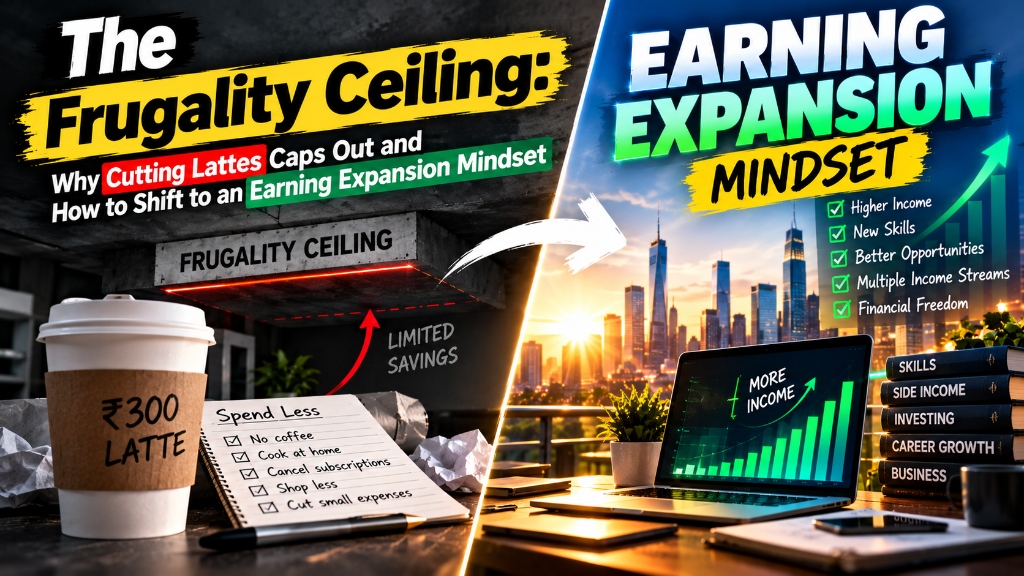
The Frugality Ceiling: Why Cutting Lattes Caps Out and How to Shift to an Earning Expansion Mindset
Discover how to break through the frugality ceiling. Overcome frugality burnout, escape scarcity thinking, and unlock uncapped income expansion.
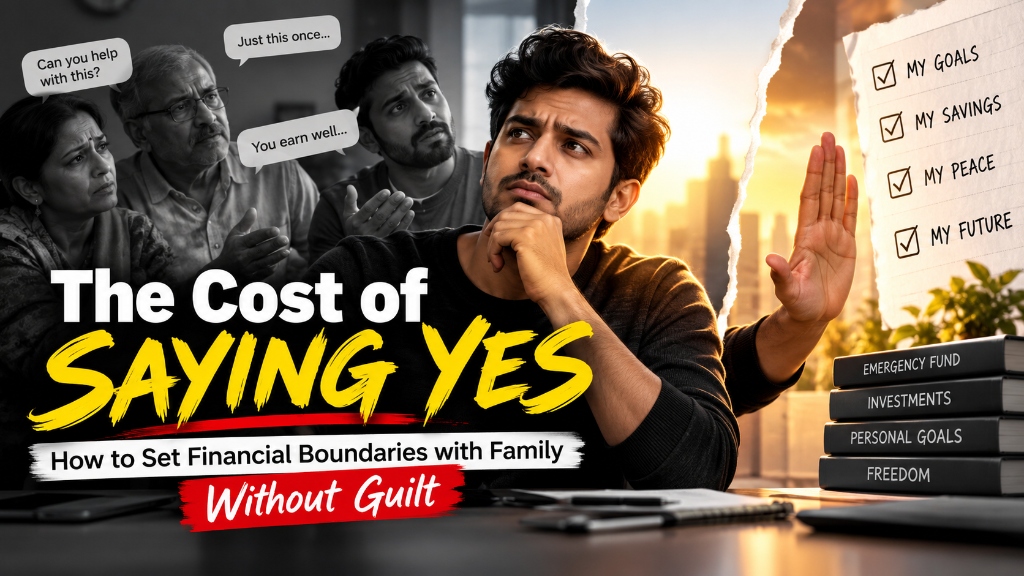
The Cost of Saying Yes: How to Set Financial Boundaries with Family Without Guilt
Learn how to set financial boundaries with family without guilt. Use proven scripts, diagnostic checklists, and budget caps to stop enabling money stress.