
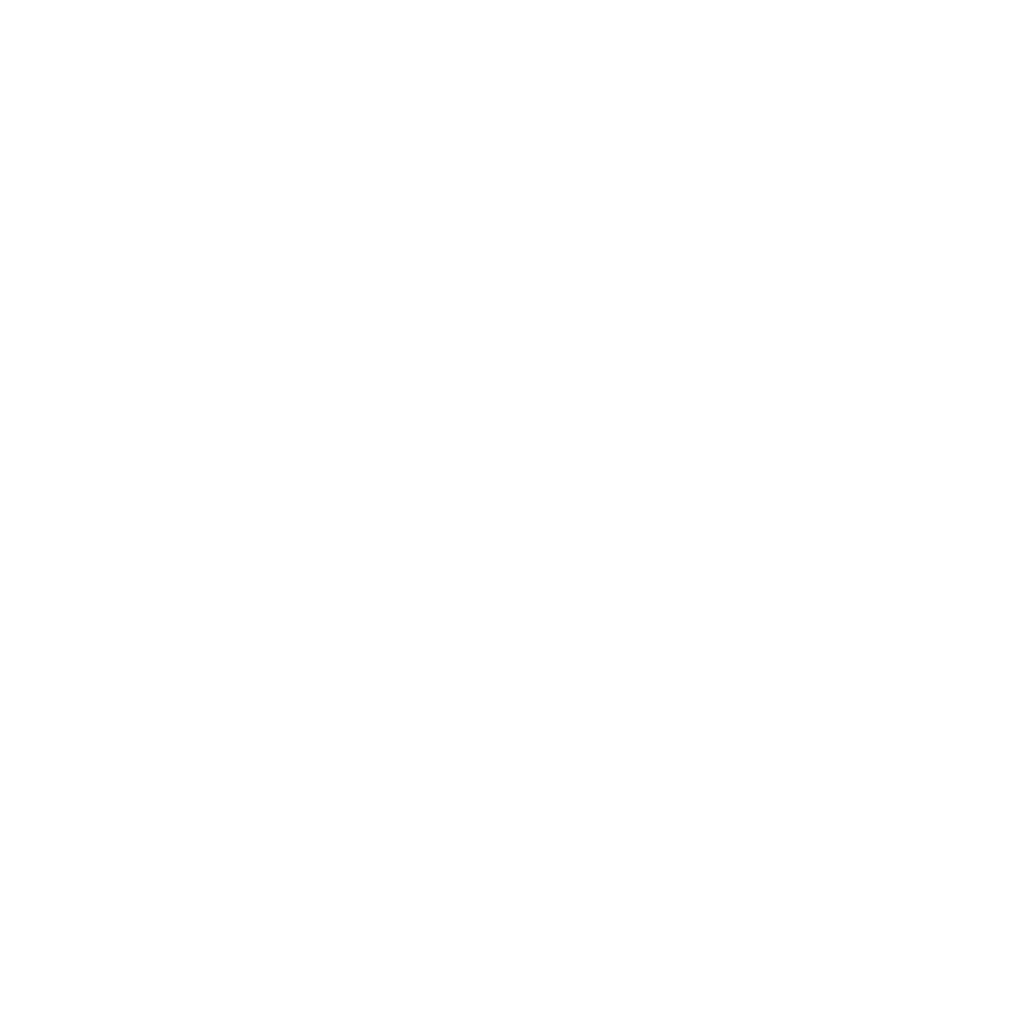
Engineering High Converting Value Proposition Messaging
How to craft clear, customer-centric value propositions that eliminate buyer friction and increase landing page conversion rates.
Disclaimer: This article is for educational purposes only and does not constitute financial or legal advice. We may earn an affiliate commission on links at no cost to you.
Read full disclaimer ↓Listen to "Engineering High Converting Value Proposition Messaging"
Natural Voice Synthesis • Hands-free listening
Engineering a high-converting value proposition requires articulating the specific transformation your product delivers to a defined customer segment. Rather than listing feature specifications or using vague industry jargon, effective messaging clearly answers what problem you solve, who you solve it for, and how your approach differs from existing alternatives.
A high-converting value proposition is a clear statement communicating the tangible business outcome a buyer receives after using your product. Formulate your value proposition by explicitly identifying the target buyer, the current painful state, the desired outcome state, and the primary mechanism that bridges the gap.
The problem with Feature-Centric Messaging
Most business websites fail to convert visitors because headlines describe internal product mechanics rather than customer outcomes. Buyers don’t purchase software features, consulting hours, or complex algorithms; they purchase relief from friction, time savings, elevated status, or revenue expansion.
The transformation messaging matrix
to construct persuasive messaging, translate every internal product feature into a customer outcome.
[ Current Pain State ] ──( Your Unique Mechanism )──> [ Desired Outcome State ]- Bad Feature-Centric Claim: “We offer advanced multi-threaded database sync tools with real-time API integrations.”
- Good Outcome-Centric Claim: “Sync your inventory across Shopify and Amazon automatically in under 60 seconds without manual spreadsheet entry.”
Strategic comparison: Headline Copy Structures
| Messaging Model | Customer Clarity | Conversion Power | Primary Risk | Best Application |
|---|---|---|---|---|
| Clever / Vague Tagline | Low | Very Poor | Confuses visitors | Global Consumer Brands (Nike/Apple) |
| Feature Technical Spec | Moderate | Poor | Bores non-technical buyers | Developer Documentation |
| Pain-Agitation Outcome | High | Strong | Can sound aggressive | Direct Response Sales Pages |
| Clear Transformation Statement | Maximum | Maximum | Requires specific targeting | B2B SaaS & Professional Services |
How to Draft a High-Converting Hero Section in 4 Steps
Your website hero section has five seconds to capture visitor attention and communicate core value.
- Write a Direct Headline (The Outcome): State the exact benefit your customer achieves using simple, active verbs (e.g., “Cut Monthly AWS Infrastructure Costs by 35%”).
- Add a Subheadline (The Mechanism): Explain how your product works in one supporting sentence (e.g., “Our automated scanner identifies unused cloud instances and resizes database tiers instantly”).
- Include a Frictionless Call-to-Action: Provide a high-visibility button with risk-reversing text like “Start Free 14-Day Trial: No Credit Card Required”.
- Display Immediate Social Proof: Place logos of recognized client companies or verified rating badges right below the main CTA button to build immediate trust.
Real world case example: SaaS Landing Page Overhaul
Consider a B2B analytics platform converting 1.2% of website visitors with the headline: “Next-Generation Enterprise Data Intelligence Platform”.
The founder audits customer discovery calls and realizes clients buy the software to spot churned subscribers. The headline is rewritten to: “Identify At-Risk SaaS Subscribers 30 Days Before They Cancel”.
The subheadline is updated to: “Plug into your Stripe account in 2 minutes to receive automated Slack alerts whenever customer usage drops.”
Without changing the underlying software, website conversion rates jump from 1.2% to 4.6%, tripling new monthly trial signups within 30 days.
Frequently asked questions
How long should a primary value proposition headline be?
A primary value proposition headline should be between 6 and 12 words long. It must be readable in under three seconds without requiring technical translation or context.
what’s the difference between a value proposition and a slogan?
A value proposition is a functional explanation of customer transformation designed to drive purchase decisions. A slogan is a catchy, memorable phrase used for general brand positioning (e.g., Nike’s “Just Do It”).
How do I know if my value proposition is clear?
Test your value proposition by showing your website homepage to someone outside your industry for five seconds, then closing the laptop. Ask them what the company sells, who it’s for, and why someone should buy it. If they can’t answer accurately, your messaging requires simplification.
Download: The Capital Allocation & Wealth Framework PDF
Get our comprehensive 30-page strategic PDF guide covering asset allocation, business moats, and mental models for long-term compounding.
- High-margin enterprise checklist
- Asset allocation proportion matrix
This article and its associated calculators are for educational and informational purposes only and do not constitute financial, investment, legal, tax, or medical advice. We may earn an affiliate commission on third-party links at zero cost to you. Always consult a licensed professional before making major financial, health, or investment decisions. Read our full Legal & Financial Disclaimer.
Written by Eternity Empire Editorial Team
The Eternity Empire editorial team analyzes personal finance, capital allocation, business strategy, and long-term wealth preservation frameworks.
Was this essay valuable to you?
Help us refine our editorial focus and research priorities.
Reader Discussion (2)
Extremely well-articulated analysis on capital compounding. The breakdown on equity allocation vs active income is spot on.
The distinction between looking rich and building real moats is something more founders need to study deeply.
Explore Eternity Empire
Search insights, browse categories, and discover featured publication guides.
Search Insights
Recent Insights
Further Wisdom & Insights
Explore All Articles →
The Psychology of Long-Term Thinking in a Distracted World
How high performers resist short-term dopamine loops, optimize for second-order consequences, and build compound advantages over 10-year horizons.
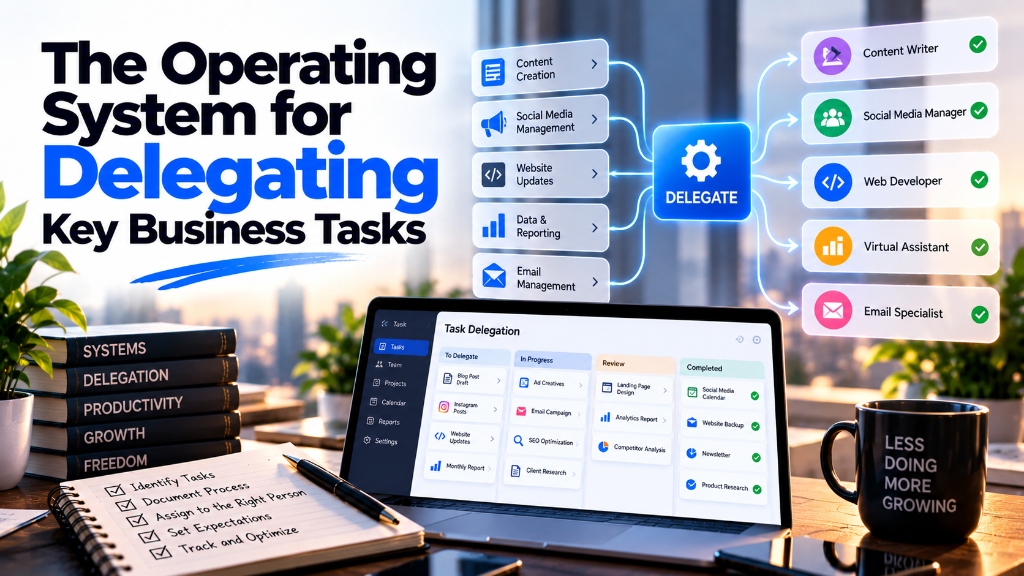
The Operating System for Delegating Key Business Tasks
How entrepreneurs delegate operational tasks effectively using outcome-based accountability, SOP documentation, and async workflows.
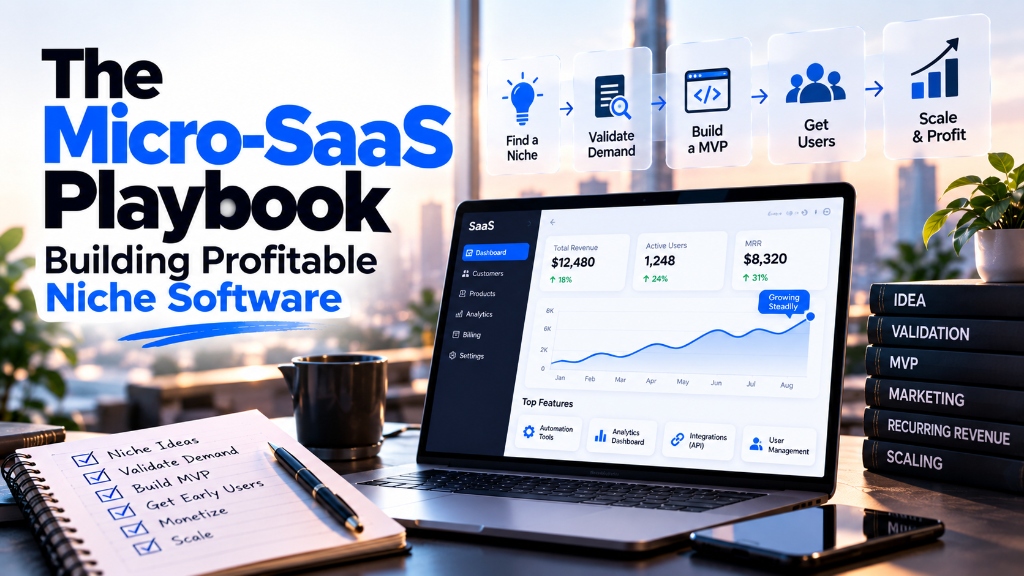
The Micro-SaaS Playbook: Building Profitable Niche Software
How solo developers and small teams build, launch, and scale high-margin niche software products to $10k+ recurring monthly revenue.